Ozempic Face: What Aesthetic Professionals Are Seeing and Why It Matters
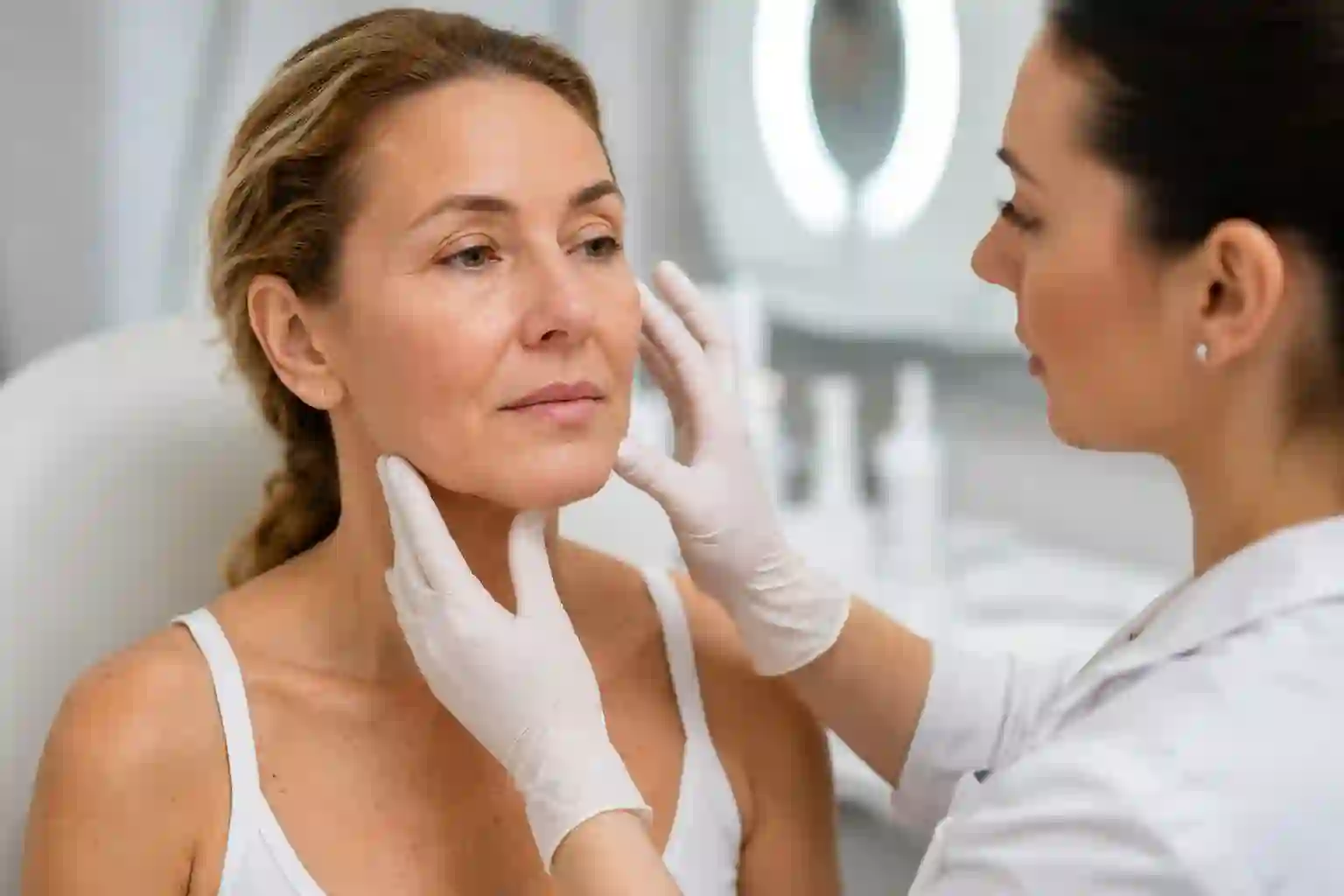
GLP-1 medications such as Ozempic and Wegovy have become widely used for weight management, and alongside that shift, aesthetic professionals have started noticing a recurring pattern in some clients who have experienced significant, rapid weight loss. Some individuals report facial hollowing, sagging skin, and a more tired or aged appearance than they expected, a phenomenon that has come to be informally known as “Ozempic Face.”
The term has gained widespread attention in media coverage and discussions among dermatology and aesthetic professionals, although it is not a recognized medical diagnosis. As awareness grows, it appears to be influencing the types of concerns some clients bring to aesthetic consultations and increasing interest in treatments focused on overall skin quality and facial rejuvenation.
Disclaimer: “Ozempic Face” is not an official medical diagnosis, and not everyone who loses weight quickly will experience these changes. Results vary widely from person to person, and any treatment decisions should always be made in consultation with a qualified healthcare provider or licensed practitioner. This post is intended to be educational, exploring the aesthetic implications and the skills aesthetics professionals are building in response, not a recommendation to use any prescription medication for weight loss.
What People Mean When They Say “Ozempic Face”
When someone loses a significant amount of weight in a short period of time, for any reason, the fat pads that once supported areas like the temples, cheeks, and under-eyes can shrink along with the rest of the body. Because skin does not always retract at the same rate as underlying volume is lost, this can leave the face looking more hollow, with looser skin and more visible folds than before. Some practitioners have observed this pattern more frequently as GLP-1 medications have become more widely used, which is part of why the term has caught on in industry conversations. It is worth emphasizing again that this isn’t a formal clinical diagnosis, just a descriptive term the aesthetics and dermatology community has adopted, and individual experiences vary considerably.
Why Rapid Weight Loss Can Change How the Face Looks
To understand why this happens, it helps to think about what’s actually holding facial structure together. Underneath the skin, small deposits of fat sit in distinct pockets across the cheeks, temples, and under-eye area, acting almost like cushioning that keeps the surface looking smooth and full. Skin itself relies on collagen and elastin to stay firm and to “bounce back” into place.
When someone loses fat quickly, those cushioning pockets shrink, but the skin covering them doesn’t always have time to tighten at the same pace, especially in people whose skin has already lost some natural elasticity with age. The result can be a face that looks more deflated and lined than the person’s weight loss alone would suggest. This is a normal physical response to volume change, not a sign that anything has gone medically wrong, but it’s exactly the kind of change that brings clients into a consultation room asking, “What can I do about this?”
Why Skin-Quality Treatments Are Getting More Attention
Regardless of the cause, clients dealing with these kinds of facial changes are increasingly asking aesthetics professionals for help restoring a refreshed, healthy appearance rather than dramatic alteration. Industry sources describe this as part of a broader shift toward “regenerative aesthetics,” treatments designed to support the skin’s own structure and texture over time rather than just adding volume. This has put more focus on the education behind skin-quality treatments, including how collagen-supporting approaches and energy-based skin tightening can complement other recommendations a client’s provider may make.
Broadly speaking, the categories of treatment that have become part of this conversation include:
- Collagen-supporting and biostimulating approaches, which are designed to encourage the skin’s own structural proteins over time rather than provide an instant change.
- Energy-based skin tightening devices, such as radiofrequency treatments, which are used to support firmer-looking skin texture.
- Volume-focused treatments, which a qualified injector may discuss separately with a client to address areas of facial hollowing.
- General skin health treatments, including hydration- and exfoliation-based facials, which support overall skin quality alongside any other plan a client’s provider recommends.
Disclaimer: It is important to note that treatment availability, practitioner qualifications, and scope-of-practice regulations vary by location and jurisdiction. Clients should always consult appropriately licensed professionals to determine which treatments, if any, are suitable for their individual needs and goals.
Why It Matters for Medical Aestheticians and the Wider Aesthetics Industry
Clinics and med spas are paying close attention to this shift because it is influencing the types of concerns clients bring to consultations. Many clinics are seeking practitioners with strong consultation, skin assessment, and client education skills as interest in skin-quality treatments continues to evolve.
Professionals who understand how facial volume, skin quality, and treatment planning interact can play an important role as part of a broader care team alongside physicians, nurse injectors, and other licensed providers. If you’ve read our earlier post on why Toronto’s laser boom is outpacing the people trained to handle it, this is another example of how changing client interests can influence the skills employers value in today’s aesthetics industry.
This is also relevant for medical spa therapists, who often lead client intake and consultation, and for anyone exploring the laser technician diploma, since energy-based devices are a common part of skin-quality treatment plans. Students interested in the injectable side of aesthetics can also look at our injectable certificate programs and our earlier guide on how to choose the right Botox and filler injector to understand how that piece fits into a fuller treatment picture.
The Role of Consultation and Assessment
None of this works without a careful, individualized consultation. A trained aesthetics professional’s job in this space isn’t to diagnose or prescribe anything, but to listen to a client’s concerns, assess their skin and facial structure, and help them understand which non-medical treatment options might support their goals, always within their scope of practice and in coordination with the client’s own healthcare provider where appropriate.
In practice, that means asking the right questions: how much weight has changed and over what period, what the client’s main concerns actually are (volume, texture, laxity, or some combination), and what’s realistic to address through aesthetics services versus what should be referred back to a physician. Good consultation also means managing expectations honestly. A client who has lost a significant amount of weight quickly may be looking for a single treatment to “fix” everything, when the more accurate answer is often a longer-term, multi-step approach. That consultation skill, more than any single device or technique, is something we emphasize throughout our programs.
What a Career in This Space Could Look Like
For students currently weighing where to focus their training, this trend is worth paying attention to. Clinics that already offer injectables or laser treatments are increasingly looking to round out their service menus with skin-quality offerings, and that means new hires with a strong grounding in skin assessment and energy-based devices have an advantage.
It also means existing practitioners who add this knowledge to their skill set can become more valuable to the clinics they already work for, since they’re able to support a wider range of client needs without the clinic needing to bring in additional specialized staff.
Key Takeaways
- “Ozempic Face” is an informal term, not an official medical diagnosis.
- Significant weight loss can affect facial volume and skin appearance, regardless of how that weight loss occurs.
- Interest in skin-quality treatments has increased as more clients seek solutions that support skin texture, firmness, and overall appearance.
- Consultation and assessment remain essential for understanding a client’s concerns and determining appropriate treatment pathways.
- Medical aestheticians with strong knowledge of skin science, consultation skills, and aesthetic technologies are well-positioned to support evolving client needs within their scope of practice.
Interested in being one of them? Start the admission process today, or contact us to talk through which program fits your career goals.