
Scalp Treatments: Why Scalp Health Matters in Haircare
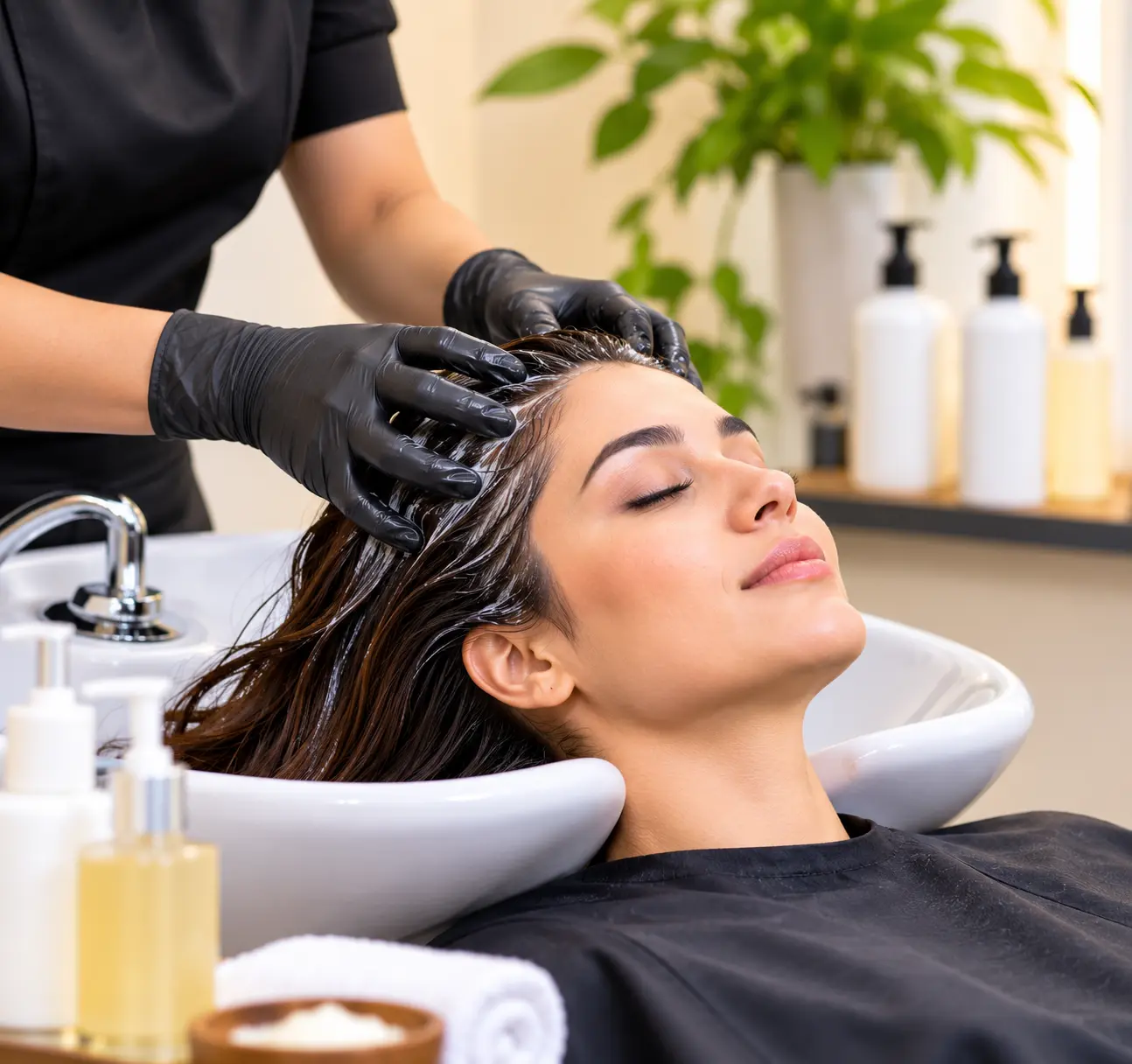
Why are scalp treatments suddenly on every salon menu? Clients now ask about the skin under their hair, not just the colour on top. Nowadays scalp care has moved from a spa extra to a core part of professional haircare. This guide explains why scalp health is gaining attention and what a salon visit involves. You will also learn how hair wellness is shaping client expectations and what stylists need to know before offering these services. Each section gives clear answers you can use right away.
Key Takeaways
- Scalp treatments cleanse and balance the skin where hair begins, which supports healthier looking hair.
- A scalp analysis helps stylists match professional scalp treatments to each client’s needs.
- Hair wellness and salon services now overlap, so scalp care is a smart skill for modern stylists.
Why Scalp Health Is Now a Haircare Priority
The scalp is skin, and it needs care just like the face. Clients now see that healthy hair starts at the root. Daily product use, heat styling and stress all affect scalp comfort. Salons are responding by treating scalp care as its own service rather than an afterthought. This shift reflects a wider interest in hair wellness.
Why is scalp health important for hair? Because the scalp is where every strand begins. The American Academy of Dermatology notes that dandruff is not simply a hygiene problem. Causes range from oily skin to hair care habits and some medical conditions. Picture a client who uses dry shampoo daily. Her cut is perfect, yet her roots feel heavy and itchy. A stylist who understands scalp health can spot the pattern and suggest a better routine. That is why clients now book scalp care alongside cuts and colour.
Clients often raise these concerns:
- Oily roots that feel heavy soon after washing
- Dry or tight skin on the scalp
- Product residue from sprays, gels and dry shampoo
- A wish for a more relaxing salon visit
Hair wellness has also changed how clients choose a salon. Many now look for stylists who can explain scalp care in plain language, not just sell a product. This is an opportunity for new professionals. Strong consultation skills and clear advice help a stylist stand out in a busy market.
What Scalp Treatments Include in a Professional Salon
A professional service begins with a consultation and ends with home care advice. In between, the stylist cleanses, exfoliates, massages and applies a targeted product. This sequence makes professional scalp treatments more thorough and more personal than a regular shampoo. Many salons offer it as an add on to a cut or as a standalone visit. Consultation time is valuable, because it sets realistic goals before any product touches the scalp.
Scalp Treatment for Healthy Hair: A Typical Service
What happens during a professional scalp treatment? Most services follow a clear order. The stylist starts with a short consultation, then cleanses the scalp and hair. Gentle exfoliation follows, then a relaxing massage. A treatment mask or tonic is applied, and the visit ends with home care advice. This flow suits busy clients because it fits into a normal appointment. Well designed scalp care treatments feel like a mini facial for the head.
Hair wellness is about caring for the scalp, the hair fibre and the client’s comfort together. Scalp services fit this idea well because they mix skincare thinking with relaxation. A client can book scalp care alone or add it to colour, smoothing or styling services. This flexibility helps salons offer more value in each appointment and gives clients a reason to return.
Scalp Analysis: Where Personalized Care Begins
A scalp analysis is a close look at the skin, the hair roots and the client’s habits. It tells the stylist whether the scalp is oily, dry, sensitive or balanced. With that information, the treatment can be chosen on purpose instead of by guesswork. It also builds trust, because clients feel heard.
What is scalp analysis in a hair salon? It usually combines a visual check with a few simple questions. The stylist asks about washing habits, styling products, comfort and recent changes. For example, a client with oily roots but dry ends needs a different plan from someone with a tight, dry scalp. Analysis also helps stylists spot anything unusual. Flaking, redness or pain can point to a medical issue, so a doctor or dermatologist is the right next step. Clients who want to learn more can read the Mayo Clinic dandruff overview.
Useful consultation questions include:
- How often do you wash your hair?
- Which styling products do you use most?
- Does your scalp feel tight, itchy or oily?
- Have you noticed any recent changes?
Analysis also supports good record keeping. A short note about scalp type, products used and client feedback makes the next visit smoother. Over time, these notes show whether a routine is working and help the stylist adjust the plan with confidence.
Scalp Exfoliation Benefits Clients Notice Quickly
Exfoliation loosens product residue, oil and dead skin so the scalp feels fresh and light. Clients often describe a cleaner, more comfortable feeling at the roots. It also prepares the skin for the treatment product that follows. Technique matters, so the method must suit each scalp. Gentle, controlled steps give the best experience.
Does scalp exfoliation damage hair? Done carefully, it targets the skin, not the hair fibre. Stylists can use a physical scrub or a professional exfoliating formula, depending on sensitivity and recent services. A scalp detox treatment uses this step to clear heavy buildup from styling products. Deep scalp cleansing focuses on removing oil and residue before colour or smoothing. Neither is a medical treatment. Students who want deeper skin knowledge can explore the Skin Care Therapist Diploma, which includes hands on practice in cleansing, exfoliation and treatments.
The scalp exfoliation benefits clients mention most include:
- A cleaner, lighter feeling at the roots
- Less visible product residue
- Hair that looks fresher with more movement
- A better base for the treatment product
- A calm, relaxing experience
Aftercare matters too. Clients should follow the stylist’s advice on washing and product choice. Gentle handling keeps the scalp comfortable and helps the benefits last.
Scalp Health and Hair Growth: Setting Honest Expectations
Hair grows from follicles in the scalp, so scalp comfort matters. A clean, balanced scalp creates a better setting for healthy looking hair. Still, scalp treatments are not a cure for hair loss. Honest advice protects client trust and keeps results realistic. Clear communication is a key part of professional hair wellness.
Are scalp treatments good for hair growth? They support the conditions around the follicle, but they cannot promise new hair. Thinning, patches or ongoing irritation should go to a doctor or dermatologist. Honest guidance also helps clients choose services wisely. A stylist can explain what a service can improve today, such as cleanliness, comfort and appearance, and what needs medical advice instead. Stylists who explain this clearly earn lasting trust. Bridal stylists especially benefit from healthy scalp knowledge, because updos stay on for hours. Read our guide on becoming a professional bridal hairstylist to see how specialized skills build a career.
Simple home habits support salon results:
- Focus shampoo on the scalp and conditioner on the lengths
- Choose gentle products suited to your hair type
- Rinse thoroughly after washing
- Tell your stylist if scalp comfort changes
Conclusion
Scalp treatments are no longer a niche extra. They sit at the centre of professional haircare because clients want healthier looking hair and a calmer salon experience. Scalp analysis, exfoliation and deep cleansing give stylists clear tools to deliver both, and a scalp treatment for healthy hair adds real value to every visit. If you want to offer professional scalp treatments with confidence, build strong salon fundamentals first. Then showcase your results with these tips on building a professional beauty portfolio. Ready to start? Contact our admissions team to book a campus tour.
Frequently Asked Questions
What are scalp treatments and who needs them?
Scalp treatments are salon services that cleanse, exfoliate and care for the skin under the hair. They suit most clients, especially those with product buildup, oily roots or a dry feeling. They also appeal to anyone who wants a more relaxing, wellness focused visit.
Why is scalp health important for hair?
The scalp is skin, and hair grows from follicles within it. When the scalp is clean and comfortable, hair tends to look and feel better. Oil, residue or irritation can make hair look flat or heavy, even after a great cut.
What happens during a professional scalp treatment?
Most visits include a consultation, scalp analysis, gentle exfoliation, cleansing, a relaxing massage and a treatment product. The stylist then shares home care advice. The appointment often fits before a blow dry or alongside a cut, so clients can combine services.
What is scalp analysis in a hair salon?
Scalp analysis is a close check of the scalp’s condition, paired with questions about washing habits and products. It helps the stylist identify oily, dry, sensitive or balanced skin. The result guides which scalp care treatments to recommend and how often.
Are scalp treatments safe for sensitive scalps?
Many are safe when the stylist chooses gentle products and a suitable method. Sensitive clients should mention past reactions during the consultation. Redness, stinging or pain are reasons to stop and seek advice from a doctor or dermatologist before continuing.
What is the difference between a scalp detox treatment and deep scalp cleansing?
Deep scalp cleansing removes oil and product residue from the scalp and hair. A scalp detox treatment is a clarifying service aimed at heavier buildup. Both are cosmetic, not medical, and a stylist will recommend the right one after a consultation.
Are scalp treatments good for hair growth?
Scalp health and hair growth are linked, because hair grows from follicles in the scalp. Treatments can support a clean, comfortable scalp, but they are not a cure for hair loss. Anyone noticing thinning or patches should see a doctor.
How often should clients book scalp care treatments?
It depends on scalp type, product use and lifestyle. Many stylists space exfoliation and deep cleansing sessions rather than repeating them too often, because over treating can irritate the skin. A stylist can suggest a schedule after a scalp analysis.
How can a stylist learn to offer scalp treatments?
Start with strong training in hairstyling, skin basics, sanitation and client consultation. Then add specialty skills over time. Passion Beauty Academy explains the steps on its Admission Process page, and the admissions team can help you pick a program that suits your goals.
Is financial aid available for beauty training?
Passion Beauty Academy is an OSAP designated institution, and eligible students may qualify for government assistance. Visit the Financial Aid page to review the options, then speak with the admissions team about how to apply for your chosen beauty program.